Read this page aloud What is Recite? skip to content
Quick Links Hints


Human Biosciences BSc (Hons)

What is Unistats?


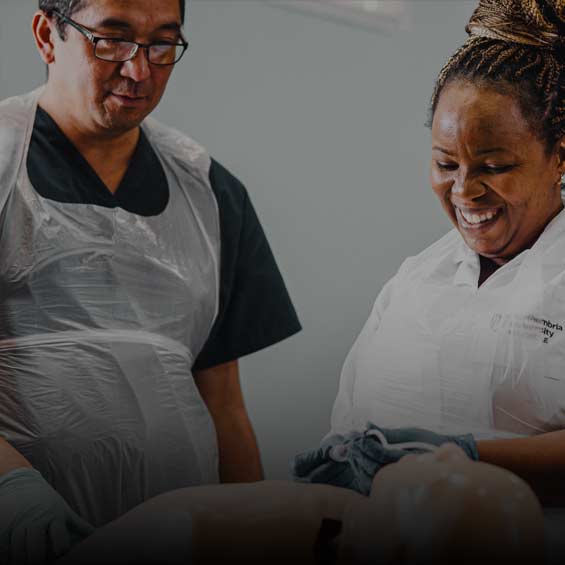
Image: Human Biosciences COURSE INFORMATION (2013 ENTRY)

3 years full-time or 4 years sandwich

Health and Life Sciences
Ellison Building, Newcastle City Campus

This programme will enhance understanding of the causes, diagnosis and treatment of human disease, representing one of the most important areas of Applied Science. It provides information on how the human body works at cellular, molecular and organ level both in health and disease states. Modules taught include Applied Anatomy & Physiology, Biochemistry, Nutrition and Neuroscience, in addition to an advanced Bioethics module in the third year.

Theoretical knowledge alongside the practical and transferable skills will enhance employability in Bioscience related areas such as the pharmaceutical industry and across a wide range of Biomedical Science-based profession and research. Career prospects include postgraduate research, such as progression to MSc and PhD degrees, teaching, Media Studies (such as Medical Journalism), and health-related areas.

Year 1
The first year provides a foundation in the core scientific subjects underpinning Human Biosciences alongside an introduction to the laboratory disciplines of the biomedical laboratory.

Year 2
The second year covers the application of these subjects to provide an understanding of aspects of the disease process.

Optional placement year
You may wish to take the opportunity to go on a placement during the third year and gain valuable work experience. You may apply for a placement in an NHS or industrial laboratory.

Final Year
This year focuses on the current aspects of the biomedical sciences, with an emphasis on the investigation of disease at the molecular level and the role of biomedical research in furthering knowledge of the nature and treatment of disease. The final year project will give you the opportunity to carry out an extended period of research activity and independent learning in an area of Human Biosciences of your choice.


LEARNING AND TEACHING METHODS

The programme is delivered through a range of lectures, practicals and seminars that provide a foundation for guided independent study. There is a high emphasis on practical laboratory work which provides a strong laboratory foundation in a wide range of methodologies and practical skills using state of the art instrumentation.

Scheduled activity increases in the final year due to all students undertaking a laboratory based project. The project is scheduled for one day per week when all laboratories and tutors are available for project students.

You are encouraged and supported in planning, managing and reviewing your own learning.  


ASSESSMENT METHODS

You'll be assessed in a variety of ways including essays, laboratory reports, literature reviews, a research project, group work (both laboratory and theoretical), portfolios, individual and group seminars, written and practical examinations.


CAREERS

Graduates are in a strong position to enter a variety of professions, gaining employment in the pharmaceutical industry or becoming engaged with postgraduate medicine and dentistry.  

Recent graduates have gained employment with pharmaceutical companies such as Fujifilm Diosynth, the NHS and others have progressed to further study administration, management, teaching, lecturing and research, scientific literature, the Civil Service, retailing and the business world.  


OTHER INFO

Course Facilities
The School of Life Sciences is well-equipped for laboratory work with up to date equipment to support both the laboratory sessions within the programme and the final year research project. You will also find your learning supported through the e-learning portal.

We pride ourselves on the accessibility of staff to students and you will be assigned a Guidance (Personal) Tutor to support you throughout the programme.

Course Staff
Between them, staff have a wide range of experience of teaching and research within the human biosciences and particularly in the areas of biochemistry, physiology, molecular biology and genetics, microbiology , immunology and pathology. The contribution of part-time staff from the hospital pathology laboratories helps give an up-to date picture of these aspects of the study of disease. Staff within the Department of Biology, Food and Nutritional Sciences will contribute to the teaching of all aspects of nutrition.

Research
Staff research interests include various aspects of the human biosciences, including molecular genetics, microbiology, biochemistry and toxicology. In addition there are a number of post-graduate students actively engaged in research into bioscience topics.

Further Study
There are many different types of Postgraduate Courses which you can do upon successful completion of your degree. They range from Masters degrees in nutrition, health studies, molecular biology or pathology, a postgraduate teaching diploma or PhDs in biomedically related topics. 


 Back to Previous Page   |   Advanced Course Search   |   Browse All Courses


Was this page useful to you?

Northumbria University has taken reasonable care to ensure that the information published is accurate at the time of publication. However, the University gives no warranty or representation as to the quality, accuracy or completeness of the information.