Environmental degradation brought about by unsustainable practices and over-exploitation of natural resources threatens the security of people, our food and water supplies, the environment and other species.
With our planet in danger from environmental harms and crimes, both the natural world and people need to be protected to achieve justice. But what comes first? How can we morally, socially and economically balance the two?
Our research uncovers the injustices that need to be addressed, offering solutions and prevention strategies for both people and planet. We’re calling on you to get involved and share your views.
“Green crime” is a major issue within a world that is living with environmental change and global uncertainties. Northumbria University is bringing together researchers who are focused on justice for people and our planet for current and future generations.
As we build a beacon of ground-breaking research, our main research areas are: human and environmental rights; risk from environmental hazards, crimes and harms in society; and resilience to green victimisation and environmental degradation. We are multidisciplinary, bringing together an array of areas including criminology, environmental justice, global development and law.
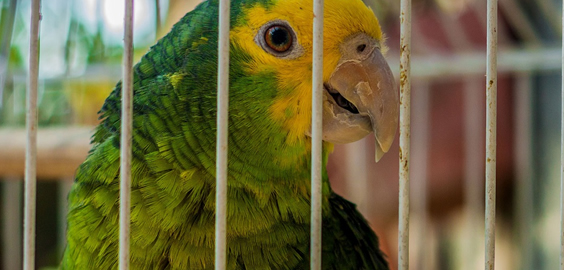
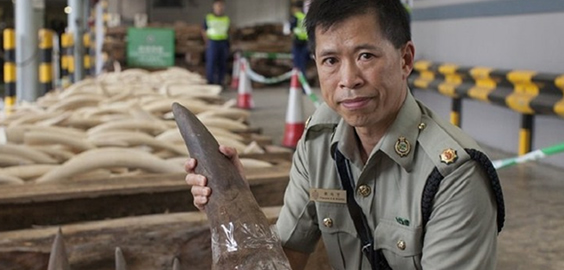
Our research explores the impact of large scale mining on indigenous communities of Northern Chile; extinction and international wildlife trade; human and environmental rights in the Pacific; the potential for Integrated Water Resources Management (IWRM) in the Mekong Delta; the production of palm oil in Colombia’s Pacific coast region; the social impacts of declining fisheries on vulnerable coastal populations in Africa and South Asia; and the National Green Tribunal in India.
Our team has attracted significant funding from sources such as Research Councils UK, the European Union, the Department for International Development, and the British Council and the Indian Centre for Migration
OUR VIEW
The question of ‘what comes first: people or planet?’ is one of great ethical debate.
Humans are dependent on the planet for basic survival, but through our actions, we have the potential to destroy it.
One of the biggest issues of our time is how to balance human rights with the growing pressures on the planet’s natural resources.
The range of global environmental harms through ‘green crime’ are growing day-by-day and concerns about the social and economic impacts have become central to contemporary popular and political discourse.
We’re facing urgent issues such as climate change, pollution, trafficking and loss of habitats, causing environmental damage which has devastating implications for people and societies the world over. We believe environmental rights and human rights are intrinsically linked. We are all reliant on natural resources for food, water, air, shelter and land. And millions of people have died as a result of preventable environmental problems such as lack of clean drinking water or pollution. It’s nearly always the poorest people in the world who are the worst affected.
Much of our work focuses on addressing injustice. That means investigating the impacts of rich corporations responsible for environmental harms; exploring the impact of large scale mining on indigenous communities; assessing the social impact of a changing world.
How much responsibility do we as humans have for the world? Can we ever really separate the two?
While our relationship with the environment is a complex one, ultimately, fair practices need to be in place for both planet and people in order to create a sustainable future for all.
 What do you think? Share your views using #ChangingChallengingWorld
 Dr Tanya Wyatt
Associate Professor of Criminology
Department: Social Sciences
I joined the University of Northumbria in October of 2010. In a previous role, for nearly five years, I was a deputy sheriff and police officer, working in a maximum-security county jail and patrolling a small town. I then served for two years as a United States Peace Corps volunteer in the Ukraine. During that time, I wrote grants and designed programmes to prevent the trafficking of women.
I am particularly interested in all things related to green criminology, particularly the illegal wildlife trade, but also smuggling and theft of other natural resources. My future research plans include examination of industrial agricultural, animal welfare, and food-borne illnesses. Additionally, I’m interested in the intersection of green crimes and human and national security, transnational crime, and organised crime.
Get in touch: tanya.wyatt@northumbria.ac.uk
- Dr Mohamed Badar
- Dr Sarah Coulthard
- Dr Pam Davies
- Professor Sue Farran
- Dr Gita Gill
- Dr Peter Glaves
- Dr Mark Griffiths
- Neil Harrison
- Dr Oliver Hensengerth
- Dr Alex Hope
- Dr Katy Jenkins
- Dr Conall Mallory
- Dr Lee McConnell
- Jacinta Miller
- Dr Hanneke Mol
- Dr Gabriel Moreno-Esparza
- Professor Alistair Rieu-Clarke
- Dr Abigail Schoneboom
- Professor Tony Ward
- Dr Tanya Wyatt
Post graduates
- Feizel Aryee
- Kelly Johnson
- Marcus Lee
- Maria Ruiu