
Blue-light emergency responders are in real danger of burnout with recovery periods between incidents essential for their long-term health according to the results of a first-of-its-kind study.
When faced with a stressful incident our bodies naturally respond to help us deal with the situation we are about to face. The adrenaline and cortisol hormones surge, making our hearts beat faster, increasing our blood pressure and blood sugar levels and our brains begin processing the information they need to enable us to ‘fight’ through the situation.
While these responses are essential at the time, if they happen too frequently – as they do for emergency workers – then it can negatively impact on individuals’ health and wellbeing.
Researchers have long been keen to examine the real-time stress responses of emergency workers to better understand the long-term impact it has on their health, but this would compromise patient care when it is most vital.
In this first-of-its-kind study, Mark Wetherell, a Professor of Psychobiology at Northumbria University, worked with the Great North Air Ambulance Service to monitor and assess emergency workers during an intensive two-week-long pre-hospital emergency medicine training programme.
They found significant differences in medics’ stress levels during the training programme when compared to their rest periods.
Participants displayed notably higher levels of anxiety, stress, worry, heart rate, and cortisol on training days compared to their rest days.
The research team say the evidence of these heightened psychobiological responses highlights the importance of recovery time for emergency responders to help to mitigate the long-term effects of stress response on their bodies.
The study, which was funded by the BIAL Foundation, allowed the research team to work with the Great North Air Ambulance Service which provides a realistic scenario-based training course for medics once a year.
.jpg?h=500&w=500&modified=20241210100702&hash=F4654F2E4DC39235BF7E4671F76315FB)
During the intensive training course, doctors and paramedics face a series of real-life scenarios including road traffic accidents, firearms and terrorist incidents, swift water rescue operations and complex multi-patient scenarios, all of which are designed to provide the skills and knowledge they need to work in highly complex and stressful emergency environments.
Almost 30 doctors and paramedics took part in the study. Researchers took samples of their saliva throughout each day to measure their cortisol levels and collected data on their heart rate variability from smartwatches provided to all participants.
The participants were also asked to report on their levels of physical and mental anxiety, emotional stress and self-confidence on waking up and before going to sleep.
As the course went on the training scenarios intensified both physically and mentally and included changes in shift patterns and incidents running back-to-back, which emergency responders would experience during their day-to-day roles. On these most intense days, the medics experienced even higher levels of psychobiological response and reported lower levels of coping resources and control.
Professor Mark Wetherell, who is based in Northumbria University’s Department of Psychology, explained: “When people attend an emergency situation their bodies immediately go through rapid psychobiological responses which are essential in helping them to deal with a critical incident.
“This is all well and good in the short term but if these responses occur frequently, or are sustained, as they are for emergency responders, then this can place undue strain on physiological systems and could lead to long term health and wellbeing problems including burnout.
“Our study found significant increases in psychobiological activity in people experiencing highly stressful high-fidelity emergency medicine training.
“Worryingly, the greatest levels of psychobiological activity occurred on the days when people felt they had the least control over the situation and the least coping resources – these were the days that were most representative of the kind of activities that they encounter in their everyday lives.”
Professor Wetherell added: “Recent reports show that more than 50% of those who provide emergency medical care are experiencing moderate to high levels of burnout so this study shines a spotlight on what can be done to help the long-term health and wellbeing of these professionals working in this sector.
“It reinforces the importance of recovery periods to avoid the negative consequences of repeated and sustained activation of the physiological and biological mechanisms required to deal with challenging events.”
The study, Assessing the psychobiological demands of high-fidelity training in pre-hospital emergency medicine, is published in the Scandinavian Journal of Trauma, Resuscitation and Emergency Medicine.
FURTHER INFORMATION:
Visit the Northumbria University Research Portal to find out more about Professor Mark Wetherell's work.
Assessing the psychobiological demands of high-fidelity training in pre-hospital emergency medicine.
Published in the Scandinavian Journal of Trauma, Resuscitation and Emergency Medicine.
DOI: 10.1186/s13049-024-01272-4

Northumbria University's Department of Psychology demonstrates a commitment to excellence, manifest in first-class teaching and learning underpinned by high quality research, and promoting business facing professional engagement.
This is the place to find all the latest news releases, feature articles, expert comment, and video and audio clips from Northumbria University
Northumbria University News is packed full of news and features covering everything from research projects and business partnerships to student and staff awards.
Latest News and Features

UK network to accelerate the development of sustainable surface technologies
A new national network led by Newcastle University and Northumbria University, in partnership…

Criminologist wins acclaimed Philip Leverhulme Prize to pioneer a new criminology of the offshore world
A Northumbria University criminologist has been awarded a Philip Leverhulme Prize, one of the…
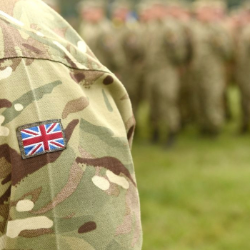
New platform maps charity support for the Armed Forces community
Pioneering data platform maps where the Armed Forces community receive support from charities

Northumbria co-leads study on fairer support for families
A major study co-led by Northumbria University will test whether attachment assessments lead…

New AHRC research shows how community innovation can power the next phase of devolution.
New research published today by the AHRC Creative Communities programme provides fresh evidence…

Free sessions to help families navigate the SEND system
Northumbria University's award-winning Student Law Office is launching SEND Decoded, a series…

New Doctoral Training Programme will tackle key polar science questions with a reduced carbon footprint
The Net Zero Polar Science (NZPS) Doctoral Training Programme (DTP) has welcomed its first…

New Student Health Hub brings joint health and wellbeing support
A new drop-in service is bringing health and wellbeing support for students at both Newcastle…
More events
Upcoming events

Next Stop Northumbria
Manchester Marriott Hotel Piccadilly
-

-
Magnetospheric Multiscale Science Working Team Meeting
Sutherland Building

Christmas Market and Tree lighting
Northumbria University
-
