LA0141 - Advanced Research Methods

What will I learn on this module?

This module builds on your previous research skills and knowledge of research techniques to further enhance understanding of methodologies, methods and advanced techniques that are central to developing a coherent and well-argued research proposal.

How will I learn on this module?

This programme is supported by a series of lectures, small group seminars (all recorded) and one-to-one tutorials which are delivered in a blended format using BlackBoard online technology, where webcasts, specialist materials and the digital reading list are stored.
The development and submission of the research proposal will constitute not only the module assignment but also bridges from the taught component to the research component of the programme. The research proposal will demonstrate your understanding, use and application of the various research methods including philosophical stance and techniques appropriate to their particular subject and the nature of their own research. The development of the proposal is a focus at each stage of the taught programme and you will receive feedback on your ideas, emerging hypotheses, epistemological and methodological positions and decisions in each taught session and tutorial.
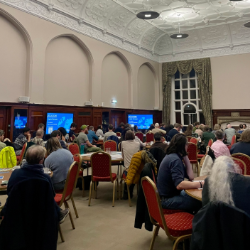
Additionally, you will participate in the Law School Christmas Conference by submitting a poster and short audio commentary explaining the focus and development of your research and receive feedback from the other conference participants. This poster and reflections on the feedback are submitted as an Appendix to the Proposal Assignment

How will I be supported academically on this module?

In addition to the taught programme and the depth of resources on the module site, you will have access to University-wide doctoral training, specialist Library support, Business and Law faculty events and PGR support which include seminars and conferences, student led support which includes the regular ‘PubHd’ meetings and the NorthEast Legal student conference jointly convened with the University of Newcastle. Primary academic support in the taught stage will be by programme staff in tutorials and also signposted access to subject expert support.

What will I be expected to read on this module?

All modules at Northumbria include a range of reading materials that students are expected to engage with. Online reading lists (provided after enrolment) give you access to your reading material for your modules. The Library works in partnership with your module tutors to ensure you have access to the material that you need.

What will I be expected to achieve?

Knowledge & Understanding:
• Critically analyse, assess and evaluate the applicability of research philosophies, methods and techniques
• Select, search, retrieve and critically evaluate information to support research
• Construct and present a coherent, logically argued and structured document that forms a research proposal and details the area of investigation, its scope, the methodology and methods to be used, and which is underpinned by reference to a theoretical framework(s) informed by the relevant academic literature review and grounded firmly within professional practice

Intellectual / Professional skills & abilities:
• Select and apply research strategies, methods and tools which are appropriate for the investigative rationale comprising the research plan
• Critical and reflexive analysis of literature, methods and data
• Construction of new perspectives on the above and/or new applications to practice

Personal Values Attributes (Global / Cultural awareness, Ethics, Curiosity) (PVA):
• Awareness of positionality and reflexive skills
• Embedded ethical awareness and practice
• Confident and clear communicator of research findings and processes to academic, practice and public audiences

How will I be assessed?

You will provide a critically-argued research proposal. This research proposal meets the University criteria for the PhD programmes equivalent ‘Project Approval’ (PA) and once successfully completed, you will further develop and progress their research during the research phase of the programme. In the research proposal candidates are expected to:
• Critically appraise and reflect on the knowledge and understanding of their research area based on a detailed and extensive critique of the body of extant literature related to it;
• Critically discuss, defend and justify the philosophical approach adopted;
• Select and evaluate a range of methods of data collection and analysis commensurate with the chosen research topic and philosophical stance taken;
• Critically reflect on the proposed approach both in the context of the ethical issues raised, as well as research conducted, and place the subsequent findings within a coherent academic framework;
• Identify, appraise and analyse the potential impact and contribution their research can make to their professional practice.
In the final month of the taught programme you will receive detailed written feedback on drafts of the proposal submission from the programme team.

In developing the proposal, you will demonstrate writing and presentation skills reflecting the language and nomenclature used in doctoral study, as well as providing evidence of peer review (and their response to it) from the Christmas Conference and a planning schedule of proposed activities to achieve a timely completion.

The assignment is assessed independently of the supervisor by a panel of two academics, comprising of a Chair and law subject specialist. They will provide feedback – amendments which may be required before the project can progress and which normally need to be completed within one month – and feedforward – ideas for you and your supervisors to consider as you move through the first year of research and which will be discussed at your annual progression meetings.

Pre-requisite(s)

NA

Co-requisite(s)

NA

Module abstract

The programme has been designed for lawyers working in practice to translate their expertise into academic language and currency. We know that you want to enhance your professional community and explore the issues raised in your practice, enhancing both academic and practice knowledge and this fruitful relationship forms the basis for the programme. We provide you with a means of progression from an established academic knowledge base of a Masters qualification in law and/or an equivalent qualification with professional work experience in legal practice. Advanced Research methods provides a bridge from your professional expertise into your independent doctoral study, so that you can confidently navigate research literature, design your own project and critically evaluate your philosophical position. Each iteration of the taught programme is designed around that cohort of students, so while there is a central core of material covered, the emphasis will depend upon the discussions and decisions of your cohort. This gives you a degree of control over the curriculum and will develop your sense of autonomy as an independent doctoral researcher.
The module is designed for maximum flexibility of blended delivery to support candidates who have significant professional commitments. All materials are available on the BlackBoard site and links to support are clearly signposted. Taught sessions are all recorded and available for catch up or review on the site. Tutorial and pastoral support typically takes place online at times convenient to the candidates. Candidates’ initial facility with IT varies and tailored support is given in the early days of the programme to ensure that all candidates can access every element confidently

Course info

Credits 30

Level of Study Research

Mode of Study 42 months Part Time

School Northumbria School of Law

Location City Campus, Northumbria University

City Newcastle

Start September 2026 or March 2027 or September 2027 or March 2028

Fee Information

Module Information

All information is accurate at the time of sharing. 

Full time Courses are primarily delivered via on-campus face to face learning but could include elements of online learning. Most courses run as planned and as promoted on our website and via our marketing materials, but if there are any substantial changes (as determined by the Competition and Markets Authority) to a course or there is the potential that course may be withdrawn, we will notify all affected applicants as soon as possible with advice and guidance regarding their options. It is also important to be aware that optional modules listed on course pages may be subject to change depending on uptake numbers each year.  

Contact time is subject to increase or decrease in line with possible restrictions imposed by the government or the University in the interest of maintaining the health and safety and wellbeing of students, staff, and visitors if this is deemed necessary in future.


Useful Links

Find out about our distinctive approach at 
www.northumbria.ac.uk/exp

Admissions Terms and Conditions
northumbria.ac.uk/terms

Fees and Funding
northumbria.ac.uk/fees

Admissions Policy
northumbria.ac.uk/adpolicy

Admissions Complaints Policy
northumbria.ac.uk/complaints