Northumbria's world-leading research showcased to UK's national science funders
The governing body of UK Research and Innovation (UKRI) has visited Northumbria University…

Below you can find information about the case study carried out in Tanzania. Read our full case study report, as well as the Q&A with the in-country researcher.
Tanzania Country Report: You can read and download the Tanzania Case Study Report here.
To cite this report: Baillie Smith, M., Jenkins, K., Kamanyi, E., Boudewijn, I., Fadel, B., & Gibby, P. (2021). Volunteering Together: Blending Knowledge and Skills for Development, VSO Tanzania Case Study Report. Northumbria University/VSO.
Questions & Answers with the In-Country Researcher: Dr Egidius Kamanyi

Tell us a bit about yourself and where you work?
I am a Lecturer in the Department of Sociology and Anthropology of the University of Dar es Salaam, Tanzania. My area of expertise is Sociology and I have experience in teaching in different areas, including: Social Theory; Research Methods; Medical Sociology and Anthropology; Disaster management; Community development; Gender, and Natural resource management. My research and consultancy experience are focused on community issues ranging from environmental sustainability to governance and social norms to child and maternal health, HIV/AIDS, education, social welfare and community development, volunteering, disaster management and natural resource management and environmental and social impact assessment (ESIA). Throughout my career I have worked with both local and international collaborators.
What did you do as part of the VSO Volunteering Together project?
I was the in-country researcher for Tanzania. I took part in fieldwork preparations including preparing, reviewing and finalising data collection tools; fieldwork planning and research permit seeking; data collection, processing (transcription, translation and entry), analysis and report writing. In addition, I also participated in findings dissemination workshops involving VSO.
What were the most interesting things that you found on the VSO research project?
Generally the research project on VSO Volunteering Together was wholly interesting. The organisation of the research was quite on point. All the requirements for a successful research project were met starting from a literature review, the problem impinging the research; moreover, the participatory methodology selected for the study was adapted to the local context. While the data collection took place during a challenging time in fear of COVID-19, there was a very good organisation that made virtual communication with the UK-based team very easy. As the main researcher in the field, I had all the support required all the time. Actual fieldwork took almost five weeks in March-April 2021 and everything went smoothly. Additionally, talking to study participants both staff and actors was another enthralling experience. Learning on how volunteerism had helped to sustain various projects and the experiences of volunteers and staff all added to the best experiences I had with the VSO research project. The impact of the project on community members’ lives was also an interesting experience. I can simply say, I thoroughly enjoyed everything about this project.
Are there connections between what you found out as part of the VSO Volunteering Together project, and the other research that you do?
Yes, there were a lot of connections. As a sociologist, I have been working on projects that aim at understanding the society and using such understanding to contribute to how they lead their lives particularly attracting projects and interventions focused on improving their living standards in the areas of health, education, economic empowerment, nutrition, behaviour change, and parenting. The VSO Volunteering Together project was also focused on the same interests via various interventions. Hence, it was a good experience to further learn and contribute to the understanding of how communities are living and experiencing their everyday life.
What should future research on volunteering explore?
In my view, future research on volunteering should focus on exploring how the informal (less organised) volunteering at local community level and how it works. Further to this, it would be interesting to also understand how the current volunteering modalities, such as the VSO approach which involves providing some allowance to volunteers, have impacted on the traditional/informal volunteering existing mechanisms at community level - e.g., whether it still exists as it used to be and identifying any potential changes as part of this process.
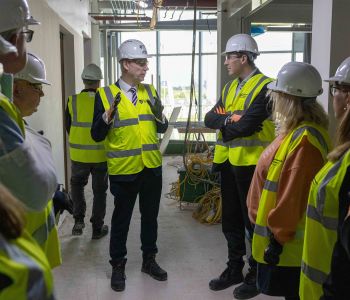
The governing body of UK Research and Innovation (UKRI) has visited Northumbria University…
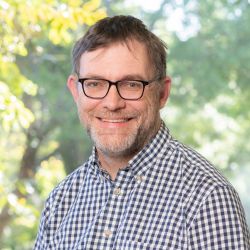
Northumbria University has announced that Professor Andy Dougill will become its new Deputy…

Professor John Woodward has been awarded The Polar Medal in recognition of his outstanding…
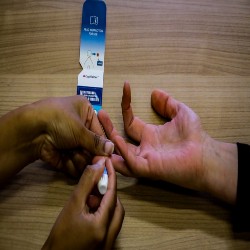
Pioneering research launches in Leeds to test new approach to assessing the risk to children…
A team of international college students studying at Northumbria University could soon find…

Northumbria University is expanding and enhancing the support it provides to students receiving…
A Northumbria University academic is helping to ensure the UK’s ambitions to build a thriving…
Scientists have found evidence that the Asian continent was free of permafrost all the way…

Northumbria University
-
Northumbria University
-

Newcastle Cathedral
-
Page last updated 25/01/24
