UK network to accelerate the development of sustainable surface technologies
A new national network led by Newcastle University and Northumbria University, in partnership…

Fabulous Femininities is a three-year research project funded by the AHRC at the University of Leeds (Dr Jacki Willson, and Prof Alice O’Grady) and Northumbria University (Dr Claire Nally). The project team also includes a Research Associate, Dr Elspeth Mitchell. It seeks to understand the way that resistant feminine identities are performed by burlesque clubgoers via specific DIY approaches to costume. The ethnographic study will focus on a range of participants who identify as women in order to document, understand and theorize the transformative threshold between the everyday self and the extravagant spectacle. The project will explore this transformative element of costume in order to understand the way costume performs and politicizes alternative embodied versions of 'womanhood'. It is timely to undertake this exploration as the category of 'woman' has been significantly challenged in recent years with trans people becoming more visible and central to cultural debates.
The burlesque club is a socially sensitive and aware space that encourages a conscious and accepting attitude to this change, with many club night and event organizers insisting on unisex toilets and changing facilities as well as wheelchair accessible venues. The heightened subcultural space, enables the clubbers to transform into more expansive notions of what constitutes 'woman' via feminized costume. The significance of this research lies in giving a platform to the way that marginalized women in the UK are reacting and responding to this societal gendered shift from the grassroots level up. This will prompt us to reinvigorate more open, tolerant thinking about the possibilities for femininity and the gendered body at large. Feminine dress and styling of the body allows the male to female transgender community for instance to feel 'at home'; and in contemporary debate there has been a strong push for acceptance of this as a human rights issue.
Exploring DIY approaches to costume in subcultural spaces will give us a better understanding of feminine costume's role in fashioning and magnifying 'othered' subversive female identities. Costume performs and politicizes belonging with extravagant accessories operating as a linchpin - threshold – between imaginative and real topographies; between subcultural/minority scenes, spaces and sites and mainstream spaces of heterosexuality and 'womanhood'. This project seeks to understand the way in which this process performs both a psychological and social need and a political desire for democratic representational freedoms.


A new national network led by Newcastle University and Northumbria University, in partnership…

A Northumbria University criminologist has been awarded a Philip Leverhulme Prize, one of the…
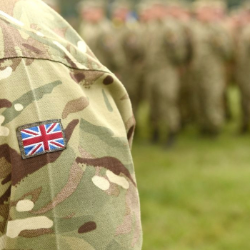
Pioneering data platform maps where the Armed Forces community receive support from charities

A major study co-led by Northumbria University will test whether attachment assessments lead…

New research published today by the AHRC Creative Communities programme provides fresh evidence…

Northumbria University's award-winning Student Law Office is launching SEND Decoded, a series…

The Net Zero Polar Science (NZPS) Doctoral Training Programme (DTP) has welcomed its first…

A new drop-in service is bringing health and wellbeing support for students at both Newcastle…

Manchester Marriott Hotel Piccadilly
-

Sutherland Building

Northumbria University
-
Page last reviewed: 22 July 2026
