MA Spatial and Environmental Design
 Option for Placement Year
Option for Study Abroad
Option for Extended Degree

Option for Placement Year
Option for Study Abroad
Option for Extended Degree
The MA Spatial and Environmental Design offers a dynamic, exploratory environment for you to cultivate advanced knowledge and expertise in spatial thinking and transdisciplinary design. Throughout the course, you will develop critical thinking, intellectual curiosity, and a willingness to embrace creative risk-taking. This Masters course emphasises both theoretical and practical applications in environmental and spatial design, encouraging you to integrate professional design skills with innovative approaches. You'll learn to create solutions that are not only creative and forward-thinking but also grounded in integrity and social impact.
Full UK Fee: £9,950
Tuition fees in the academic year 2028/29* are yet to be confirmed. Fees are set in line with the UK Government's tuition fee cap. The University may increase fees in subsequent years in line with any changes to the tuition fee cap. Increases will be linked to inflation. For example, increases may be linked to RPIX (Retail Price Index excluding mortgage interest payments) Students will be notified of any increase ahead of it taking effect. Student fee loans rise in line with the tuition fees cap.
*if your course is longer than one year
Full International Fee: £19,850
Scholarships and Discounts
ADDITIONAL COSTS
During your 1/2 years of study you will incur additional costs such as consumable art & design materials, tools, books, printing, technology, study visits, promotional materials, final collection materials and promotional exhibitions. Different modules will incur different costs depending on depending on the module structure and location. There are optional, subsidised (Module directed) day study trips that may incur small personal costs e.g. meals, entry to museums etc. The programme includes option modules that cen be studied/ swapped for one of the other options modules in the London/ Newcastle campuses. This should not incurr any additional tutition fee cost but there will need to be provision for an additional accommodation and living expenses as these option modules are undertaken. This provision is encouraged to be undertaken physcially at the other campus location as this will enrich the learning experience and provide other opportunities for critical analysis of architecture and interior sites. In final year you will need to undertake a presentation portfolio (£60+) that will lead to a final exhibition. This will incur other costs associated with this including travel, accommodation, etc. Participation in competitions in final year may also incur small entry fees (e.g. £30). While there are Macs to work on in university, students prefer to have their own Macbook (approx. £1000). It is recommended that you purchase a portable hard drive(s) to back up your digital work (approx. £50) as well as a personal SD card for digital cameras (approx. £10). Final year students also have their own group website that costs participating students between £10-£20 each.

The School of Design, Arts and Creative Industries is a leading centre for supporting and energising creative practice and academic study. Our inter-disciplinary research and experiential education is committed to the betterment of people, place, cultures, and societies. Our programmes are defined by the way we collaborate with communities, industry, and external partners to inform curriculum, your learning and contribute to wider society. Discover more.
The Spatial and Environmental Design Masters course offers an innovative approach to postgraduate study, fostering creative thinking and professional development through the integration of emerging technologies to support your unique career goals.
We believe that the cohort's expertise and backgrounds bring valuable insights, skills, and fresh perspectives. This collaborative exchange enriches our learning community and contributes to shaping a future that cares for individuals, society, and the planet, aligned with the principles of Industry 5.0.
Upon graduation, you will be prepared for careers in spatial design, environmental consultancy, urban planning, sustainable design, or further doctoral research, with opportunities in sectors such as public space design and sustainability innovation.
Our Masters students frequently praise the creative freedom offered within the design faculty, where they are consistently encouraged to explore and pursue their ideas, no matter how imaginative or unconventional. Your portfolio will serve as the ideal showcase for these projects, highlighting the exciting, innovative, and impactful work you've developed throughout the year.
You will learn from a diverse group of internationally renowned practitioners, researchers, and educators, and by sharing their knowledge, they will guide you in shaping your own path throughout the course.


You will work in a vibrant studio environment that brings together students, researchers, and external partners in a collaborative space designed for tackling major challenges and co-creating innovative solutions.
At Northumbria, we collaborate with a diverse range of partners, including local community groups, regional businesses, national and multinational companies, government agencies, and charities, all of whom recognise the strength of our design, technology, and business expertise.
As part of this course, you will join a thriving community of experts, practitioners, and external collaborators. Your learning will be enhanced using industry standard technologies.
Located on our City Campus, the studio is ideally situated near tutor offices, the library, and digital commons. It is equipped with a blend of desktop PCs and Apple Macs, whiteboards for project mapping, and breakout rooms for tutorials and virtual meetings.
Accuracy of information
All information is accurate at the time of sharing.
How your course is delivered
Full time Courses are primarily delivered via on-campus face to face learning but could include elements of online learning.
Changes to your course
Most courses run as described on our website and in our marketing materials. Occasionally we may need to make changes, for example due to a change in the law or regulatory requirements, requirements of a Professional, Statutory or Regulatory Body, or our quality assurance processes. Where a change is significant (in line with the Competition and Markets Authority's guidance on "substantial changes"), we will consult with affected students in advance where the change is being decided, and will explain the reason for the change and inform you at the earliest opportunity.
If we make a significant variation to your programme, you are entitled to: request a transfer to an alternative, appropriate programme; withdraw and have your tuition fees adjusted; or raise a complaint through the Student Complaints Procedure.
Optional modules listed on course pages may be subject to change depending on uptake numbers each year. Where a module you selected is withdrawn, the options above apply.
Contact time
Contact time is subject to increase or decrease in line with possible restrictions imposed by the government or the University in the interest of maintaining the health and safety and wellbeing of students, staff, and visitors if this is deemed necessary in future.
Images and video
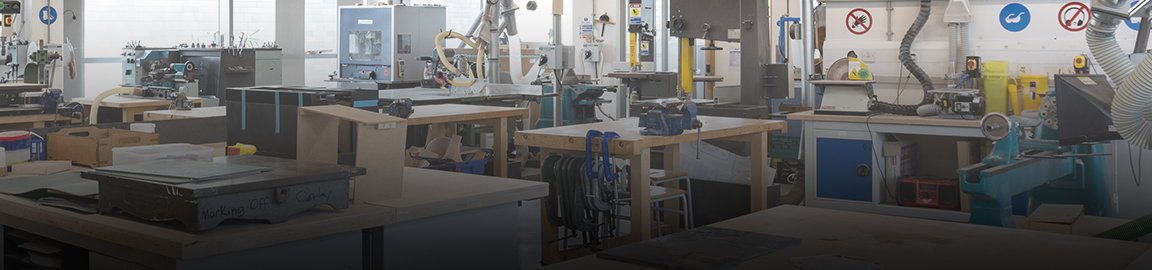
The photography and video on this page are used for illustration. They may have been taken at different times and in different parts of the University, and may show facilities, equipment, staff, students or activities that are not part of this course. They are not a guarantee of the specific facilities or equipment you will use.
The course content, entry requirements and fees sections of this page, together with the Programme Specification, set out what this course includes. Our facilities are updated over time and may change during your studies.
Useful Links
Find out about our distinctive approach at
www.northumbria.ac.uk/exp
Admissions Terms and Conditions
northumbria.ac.uk/terms
Fees and Funding
northumbria.ac.uk/fees
Admissions Policy
northumbria.ac.uk/adpolicy
Admissions Complaints Policy
northumbria.ac.uk/complaints
Page last reviewed: 16 October 2026